Creating Your Custom Home Checklist Essentials
Building a custom home is an exciting journey, but it requires careful planning and organization. Without a clear plan, the process can quickly become overwhelming. That’s why I always recommend starting with a detailed checklist. This helps keep every step on track and ensures nothing important is overlooked. In this post, I will guide you through the essential elements of creating your own custom home checklist. This approach will help you manage your project efficiently and achieve the home you envision.
Understanding Custom Home Checklist Essentials
Before diving into the specifics, it’s important to understand what a custom home checklist should cover. It’s not just about construction tasks; it includes budgeting, design decisions, permits, and communication with your builder. A well-rounded checklist breaks down the entire process into manageable phases.
Here are the key areas your checklist should address:
- Pre-Planning and Budgeting: Setting your budget and priorities.
- Design and Architecture: Finalizing floor plans and style.
- Permits and Approvals: Securing necessary legal permissions.
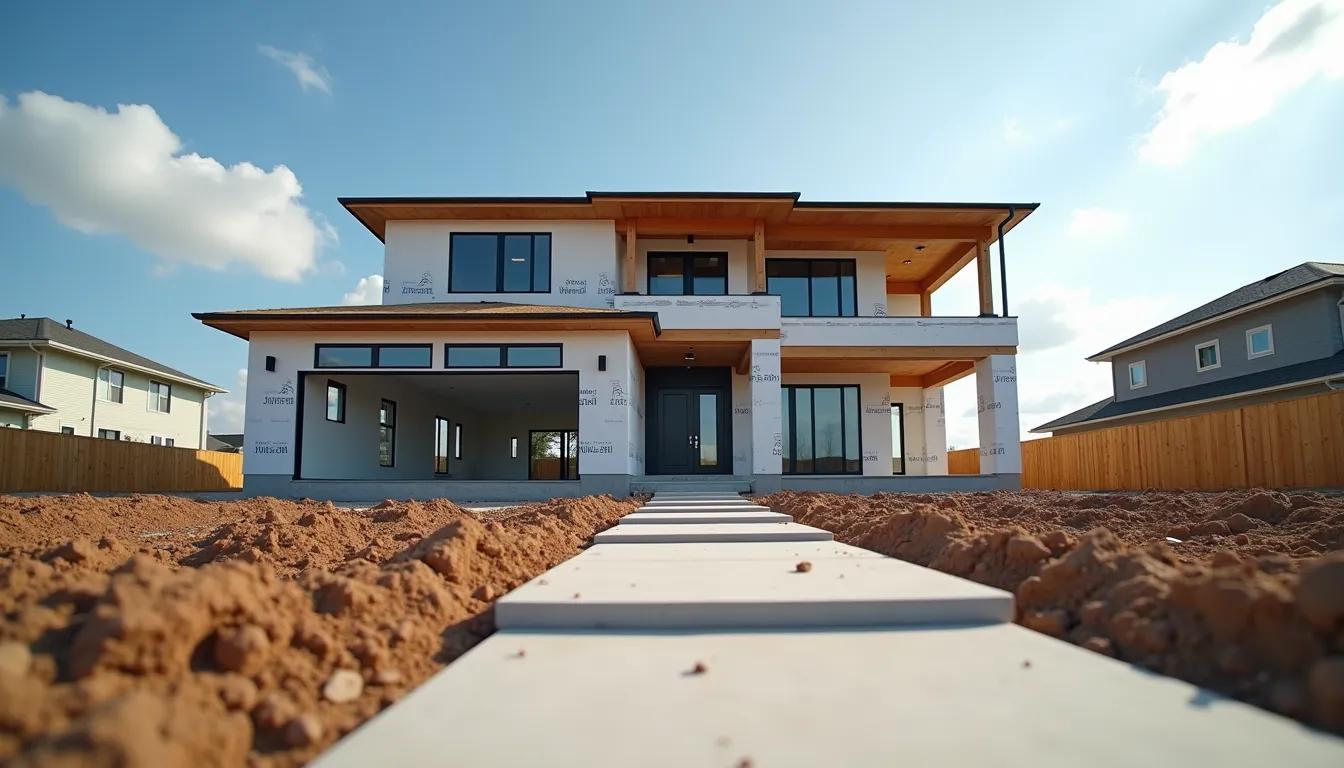
- Construction Phase: Managing the build and inspections.
- Finishing Touches: Selecting fixtures, finishes, and landscaping.
Each of these areas contains multiple steps that require attention. By organizing your checklist around these categories, you can track progress clearly and avoid costly mistakes.
Pre-Planning and Budgeting: The Foundation of Your Project
The first step in any custom home project is establishing a realistic budget and defining your priorities. This phase sets the tone for everything that follows.
Define Your Budget
Start by determining how much you can comfortably invest in your new home. Include not only construction costs but also land acquisition, permits, design fees, and contingency funds for unexpected expenses. A common recommendation is to allocate 10-15% of your budget for contingencies.
Prioritize Your Needs and Wants
Make a list of must-haves versus nice-to-haves. For example, you might prioritize an open kitchen and energy-efficient windows but consider a home theater as optional. This helps guide design decisions and keeps costs aligned with your goals.
Choose Your Lot Wisely
The location and characteristics of your lot impact your design and budget. Consider factors like:
- Topography and soil quality
- Access to utilities and roads
- Neighborhood restrictions or HOA rules
Selecting the right lot early can prevent costly changes later.
Assemble Your Team
Identify key professionals such as architects, builders, and designers. Interview multiple candidates to find those who understand your vision and have experience with custom homes in your area.
Design and Architecture: Bringing Your Vision to Life
Once your budget and lot are set, focus on the design phase. This is where your ideas start to take shape on paper.
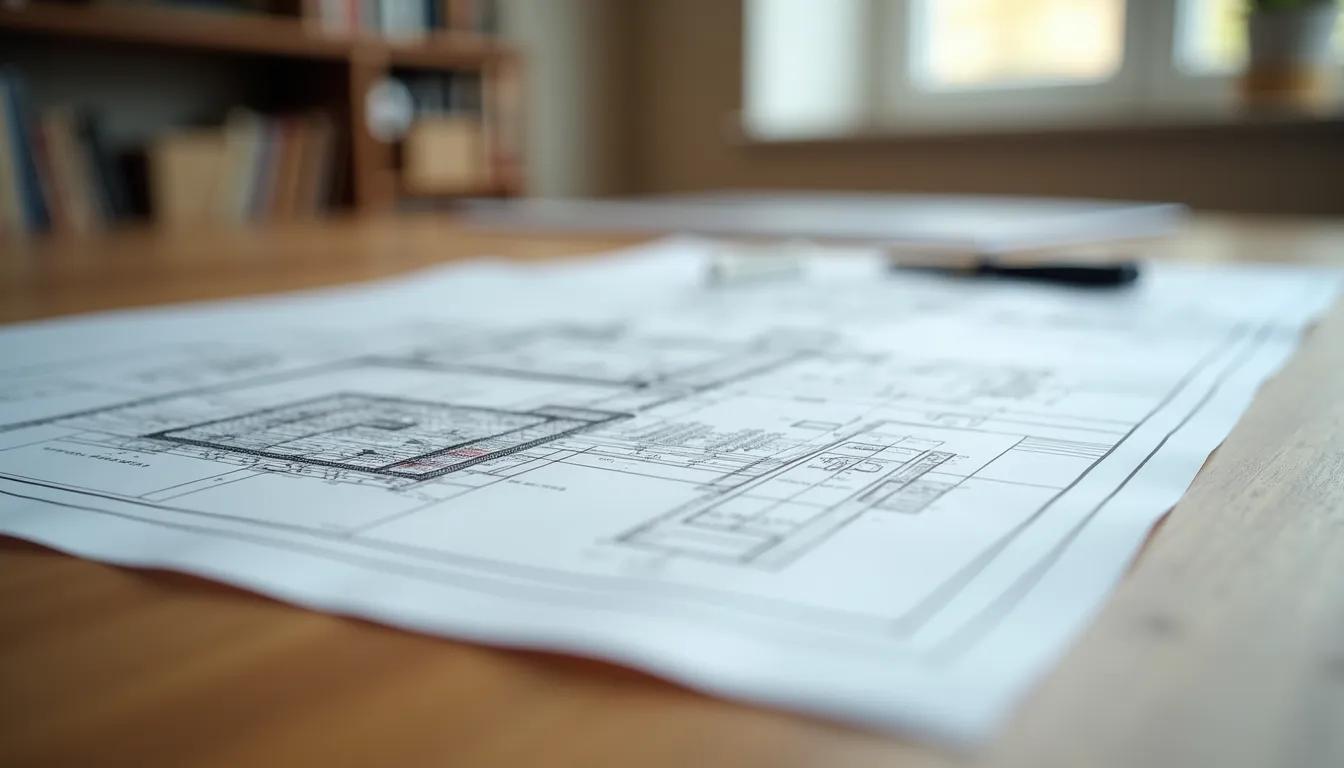
Develop a Detailed Floor Plan
Work closely with your architect or designer to create a floor plan that fits your lifestyle. Consider:
- Room sizes and flow
- Natural light and window placement
- Storage solutions
Don’t rush this step. A well-thought-out plan saves time and money during construction.
Select Architectural Style and Materials
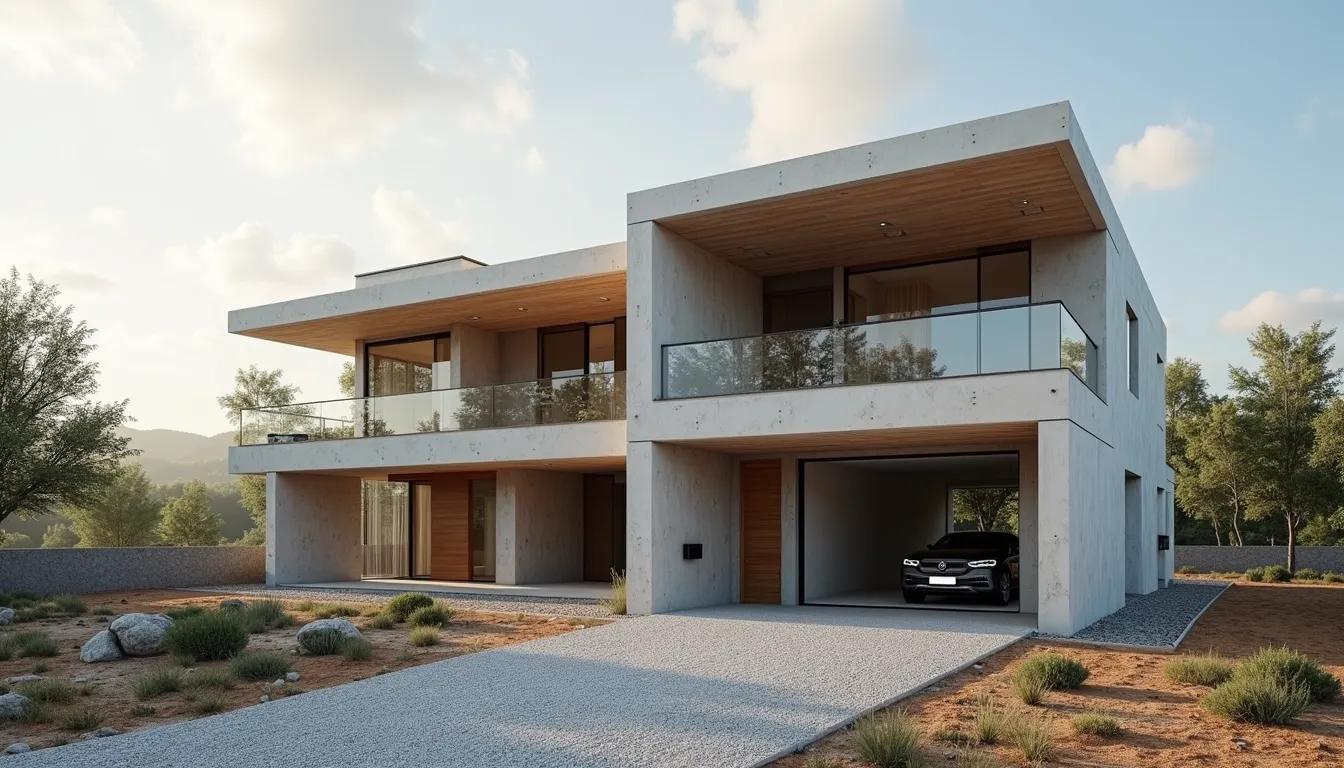
Decide on the style that suits your taste and complements the neighborhood. Whether modern, traditional, or transitional, your choice affects material selection and construction methods.
Plan for Energy Efficiency and Sustainability
Incorporate energy-saving features such as:
- High-performance insulation
- Energy-efficient windows and doors
- Solar panels or other renewable energy sources
These choices reduce long-term costs and increase your home’s value.
Review and Approve Final Plans
Before moving forward, review all plans carefully. Confirm that every detail matches your expectations and budget. This is the time to make adjustments rather than during construction.
Navigating Permits and Approvals
Securing the necessary permits is a critical step that can delay your project if overlooked.
Understand Local Building Codes
Familiarize yourself with San Antonio’s building codes and zoning laws. These regulations dictate what you can build and how.
Submit Plans for Approval
Your architect or builder will typically handle submitting plans to the city or county. Ensure they provide you with copies of all submitted documents.
Schedule Inspections
Throughout construction, inspections verify compliance with codes. Keep track of inspection dates and results to avoid delays.
Managing the Construction Phase
With permits in hand, construction begins. Staying organized during this phase is essential.
Establish a Communication Plan
Set regular meetings or updates with your builder. Clear communication helps address issues promptly.
Track Progress Against Your Checklist
Use your checklist to monitor milestones such as foundation completion, framing, roofing, and utilities installation.
Manage Change Orders Carefully
Changes during construction can increase costs and timelines. Evaluate each change order thoroughly before approval.
Quality Control and Inspections
Attend site visits to inspect workmanship. Don’t hesitate to ask questions or request corrections.
Finalizing Your Home: Finishes and Move-In Preparation
The last phase focuses on details that make your house a home.
Select Fixtures and Finishes
Choose items like cabinetry, countertops, flooring, and lighting. These selections should align with your overall design and budget.
Landscaping and Exterior Features
Plan for driveways, patios, and landscaping to enhance curb appeal and outdoor living.
Conduct a Final Walkthrough
Before closing, walk through your home with the builder to identify any issues or incomplete work.
Prepare for Move-In
Arrange utilities, change your address, and schedule your move. Having a checklist for these tasks ensures a smooth transition.
Creating a custom home building checklist is an indispensable tool for managing your project from start to finish. It keeps you organized, informed, and in control. By following the steps outlined here, you can confidently navigate the complexities of building a custom home in San Antonio and enjoy the process as much as the result.