Custom Home Financing Options: How to Finance Your Custom Home Build
Building a custom home is an exciting journey. It allows you to create a living space tailored to your exact needs and style. However, financing a custom home build can be complex. Understanding your options and the process is essential to make informed decisions and avoid surprises. In this post, I will walk you through the key aspects of financing a custom home, including available options, challenges, and practical tips to secure the right loan.
Exploring Custom Home Financing Options
When it comes to financing a custom home, there are several paths you can take. Each option has its own requirements, benefits, and drawbacks. Knowing these will help you choose the best fit for your financial situation and project goals.
Construction-to-Permanent Loans
One of the most common financing methods is a construction-to-permanent loan. This loan covers the cost of building your home and then converts into a traditional mortgage once construction is complete. You make interest-only payments during construction, which helps manage cash flow.
Advantages:
- Single loan process, reducing paperwork and closing costs.
- Interest rates are typically lower than separate construction and mortgage loans.
- Simplifies budgeting since you lock in your mortgage rate early.
Considerations:
- Requires detailed construction plans and a qualified builder.
- Lenders may require a larger down payment, often 20% or more.
- The loan approval process can be more involved than a standard mortgage.
Standalone Construction Loans
A standalone construction loan is a short-term loan that covers only the building phase. After construction, you must secure a separate mortgage to pay off the construction loan.
Advantages:
- Flexibility to shop for the best mortgage after construction.
- May be easier to qualify for if you have strong credit and income.
Considerations:
- Two separate loan closings, which means additional fees.
- Potential for higher overall interest costs.
- Requires careful timing to avoid gaps in financing.
Home Equity Loans or Lines of Credit
If you already own a home with significant equity, you might consider a home equity loan or line of credit (HELOC) to finance your custom build. This option can provide funds quickly and often at lower interest rates.
Advantages:
- Access to funds without a full loan application process.
- Interest may be tax-deductible (consult a tax advisor).
- Flexible repayment options.
Considerations:
- Puts your current home at risk if you cannot repay.
- May not cover the full cost of a custom build.
- Requires sufficient equity and good credit.
Personal Loans and Savings
For smaller projects or partial financing, personal loans or savings can be an option. While this avoids debt, it may not be practical for full custom home builds due to high costs.
Advantages:
- No collateral required for personal loans.
- No interest if using savings.
Considerations:
- Personal loans often have higher interest rates.
- Using savings may deplete emergency funds.
Is it Difficult to Get a Loan to Build a House?
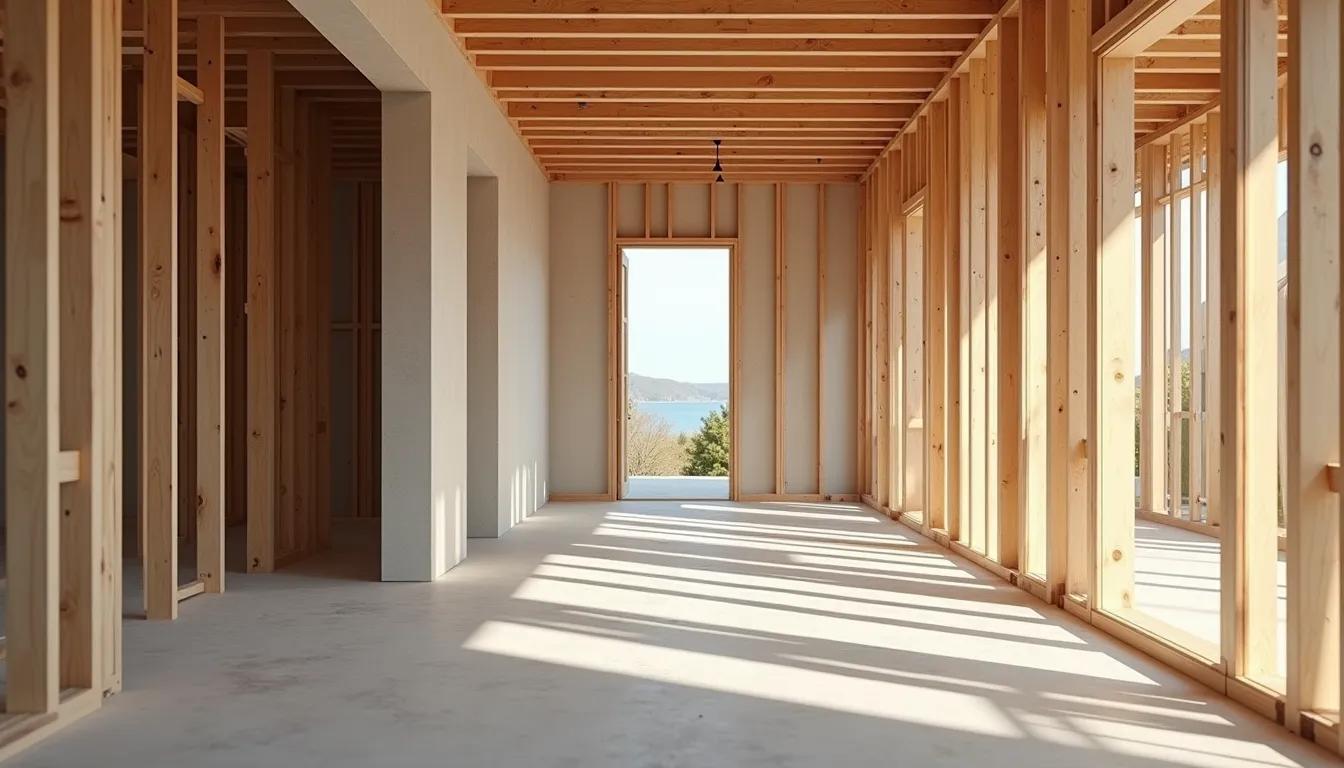
Securing a loan for a custom home build can be more challenging than obtaining a traditional mortgage. Lenders view construction loans as higher risk because the property is not yet complete and cannot serve as collateral in the usual way.
What Lenders Look For
- Strong Credit Score: Typically 680 or higher is preferred.
- Stable Income: Proof of steady employment and income to cover payments.
- Detailed Plans: Complete architectural plans, budgets, and timelines.
- Experienced Builder: Lenders want to see a licensed, reputable builder involved.
- Down Payment: Usually 20% or more of the total project cost.
Common Challenges
- Appraisal Difficulties: Estimating the future value of an unfinished home can be tricky.
- Draw Inspections: Lenders release funds in stages, requiring inspections and approvals.
- Documentation: More paperwork and stricter underwriting than standard loans.
Despite these challenges, with proper preparation and a solid team, obtaining a construction loan is achievable. Working with lenders familiar with custom home financing in your area can smooth the process.
Preparing Your Finances for a Custom Home Loan
Before applying for financing, it is crucial to get your financial house in order. This preparation increases your chances of approval and helps you secure better terms.
Steps to Take
- Check Your Credit Report: Correct any errors and improve your score if possible.
- Save for a Down Payment: Aim for at least 20% of the total project cost.
- Organize Financial Documents: Gather tax returns, pay stubs, bank statements, and proof of assets.
- Create a Detailed Budget: Include land costs, construction, permits, fees, and contingencies.
- Choose a Qualified Builder: Lenders prefer builders with a strong track record and proper licensing.
Working with Professionals
Engage a mortgage broker or loan officer experienced in custom home loans. They can guide you through the process, recommend lenders, and help package your application.
Managing Costs During Construction
Building a custom home involves many moving parts and potential cost overruns. Effective cost management is essential to stay within budget and avoid financing shortfalls.
Tips for Cost Control
- Get Multiple Bids: Compare quotes from subcontractors and suppliers.
- Include Contingency Funds: Set aside 10-15% of your budget for unexpected expenses.
- Monitor Progress: Regularly review construction milestones and expenses.
- Communicate with Your Builder: Maintain open lines to address issues promptly.
- Avoid Mid-Project Changes: Design changes can increase costs and delay completion.
Financing Draws
Construction loans release funds in stages, called draws. Each draw corresponds to a completed phase, such as foundation, framing, or roofing. Inspections verify progress before funds are released.

Finalizing Your Custom Home Financing
Once construction is complete, your construction loan will convert to a permanent mortgage, or you will secure a separate mortgage if you used a standalone loan.
What to Expect
- Final Inspection: Lenders require a certificate of occupancy or final inspection report.
- Loan Conversion: Your loan terms will shift from interest-only to principal and interest payments.
- Mortgage Terms: Confirm your interest rate, loan term, and monthly payment.
- Insurance and Taxes: Set up escrow accounts for property taxes and homeowners insurance.
Long-Term Financial Planning
Owning a custom home means ongoing expenses beyond the mortgage. Budget for maintenance, utilities, and potential upgrades. Consider refinancing options in the future if interest rates drop.
Financing a custom home build requires careful planning, research, and collaboration with trusted professionals. By understanding your options and preparing thoroughly, you can confidently navigate the process and bring your dream home to life. For those interested in learning more about how to finance a custom home build, exploring local lenders and builders with experience in San Antonio is a great first step.