Understanding Texas Custom Home Costs: Key Factors to Consider
Building a custom home in Texas is an exciting venture. It offers the chance to create a living space tailored to your exact needs and preferences. However, understanding the financial aspects is crucial before starting. The cost to build a custom home in Texas varies widely depending on several factors. Knowing these can help you plan your budget effectively and avoid surprises during construction.
Major Texas Custom Home Costs Components
When planning a custom home, it’s important to break down the expenses into manageable parts. Here are the primary cost components you should consider:
Land Acquisition and Site Preparation
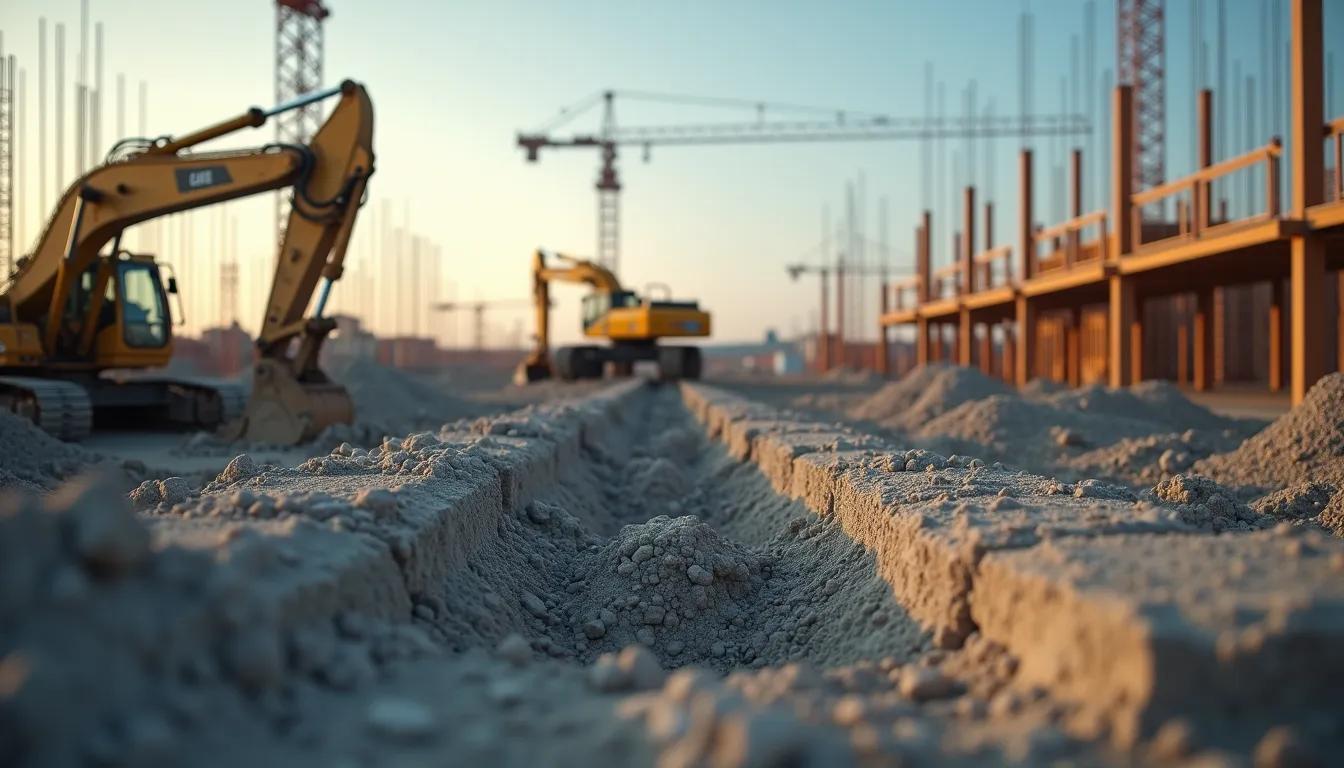
The first step is securing a suitable plot of land. Prices vary significantly based on location, size, and accessibility. For example, land closer to San Antonio’s city center tends to be more expensive than rural areas. Additionally, site preparation costs can add up. Clearing trees, leveling the ground, and ensuring proper drainage are necessary steps that impact your budget.
Design and Architectural Fees
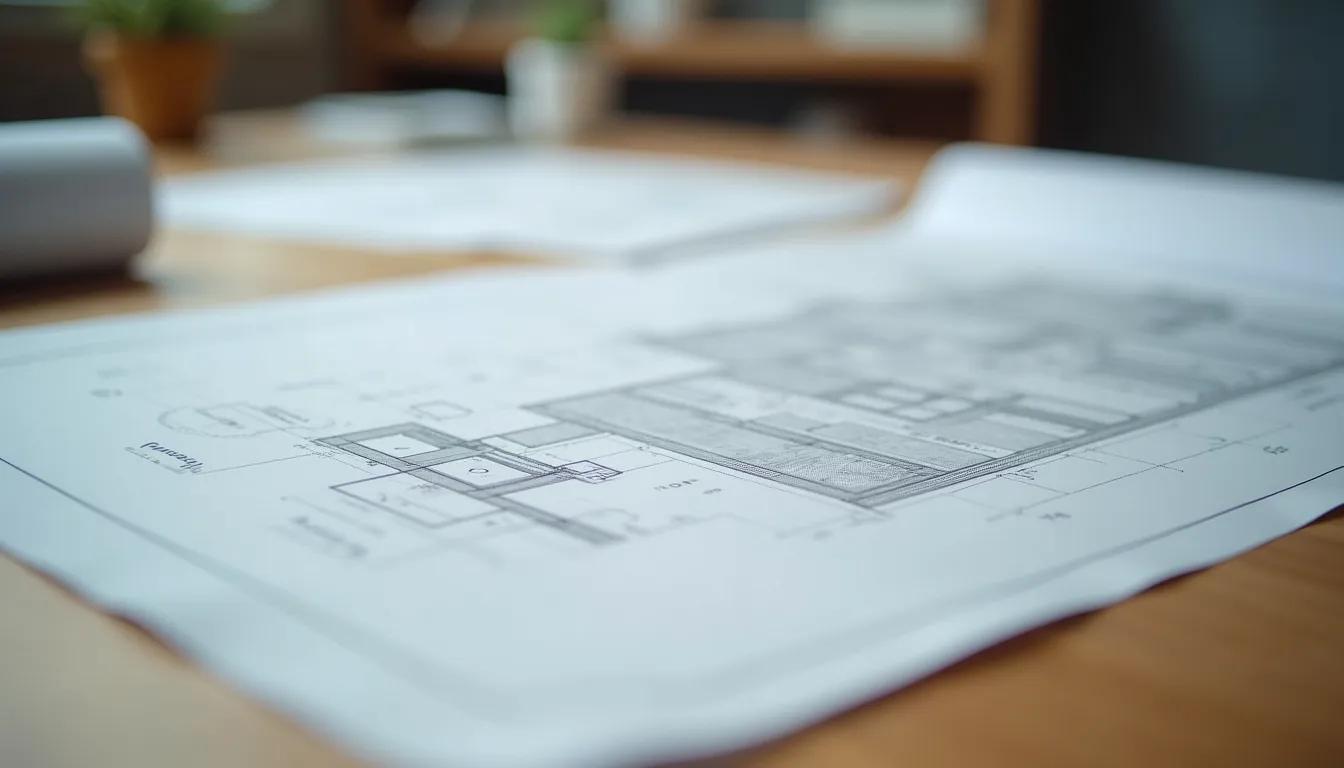
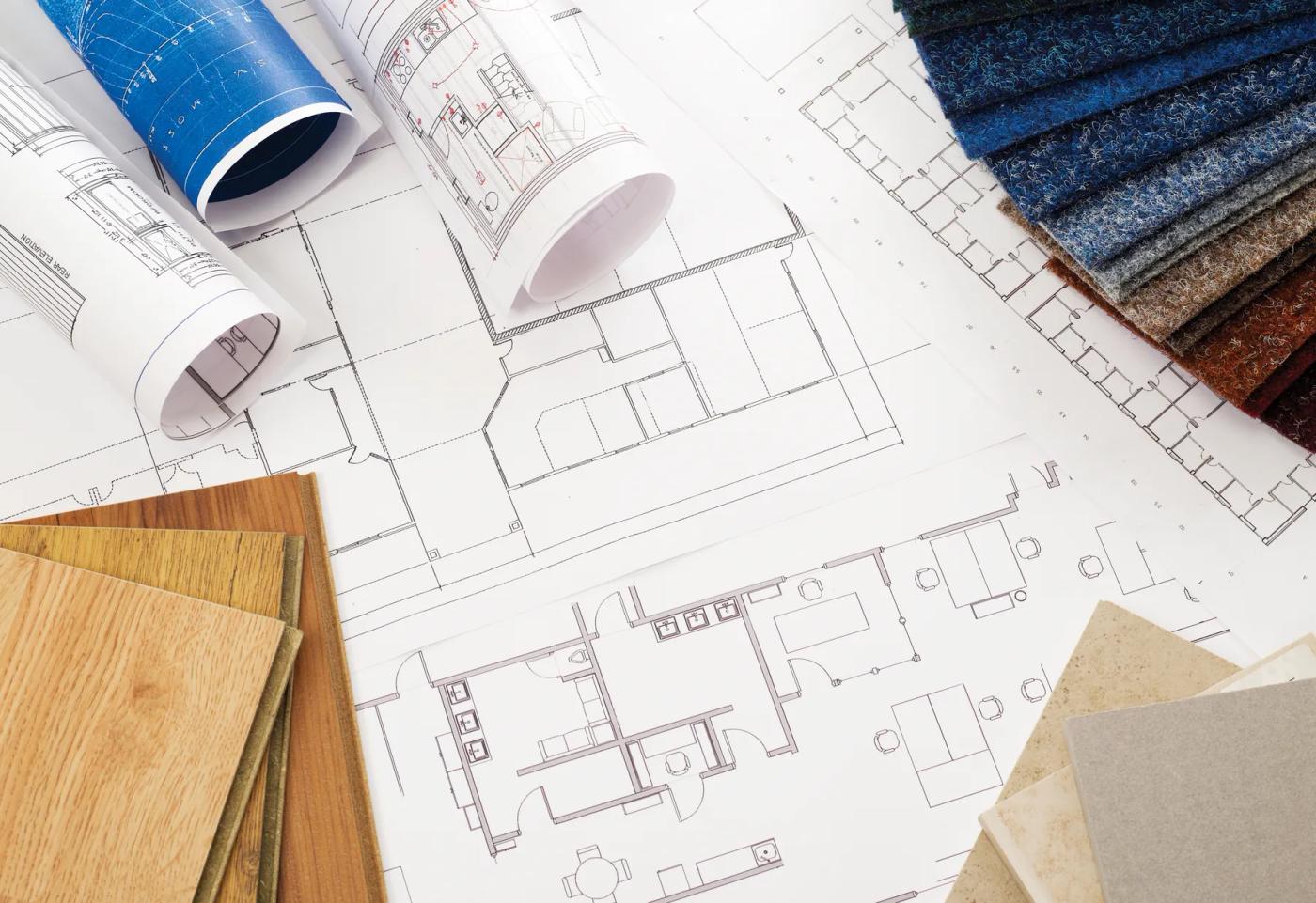
Custom homes require detailed architectural plans. Hiring an experienced architect or designer ensures your vision is accurately translated into blueprints. These professionals charge fees based on the complexity of the design and the size of the home. Investing in quality design upfront can save money later by preventing costly changes during construction.
Construction Materials and Labor
Material costs fluctuate with market conditions. For instance, lumber prices can vary seasonally or due to supply chain issues. Choosing high-end finishes or energy-efficient materials will increase costs but add long-term value. Labor costs in Texas are generally competitive, but specialized trades like electricians or plumbers may charge premium rates for custom work.
Permits and Inspections
Obtaining the necessary permits is mandatory and involves fees that differ by municipality. Inspections during various construction phases ensure compliance with building codes. These regulatory costs are often overlooked but should be factored into your budget.
Utilities and Infrastructure
Connecting your home to water, electricity, gas, and sewage systems can be costly, especially if the land is in a remote area. Installing septic systems or wells may be required, adding to the overall expense.
Texas Custom Home Costs: Regional Variations and Trends
Texas is a large state with diverse real estate markets. Understanding regional cost differences is essential for accurate budgeting.
Urban vs. Rural Cost Differences
Building in San Antonio or its suburbs generally costs more than in rural parts of Texas. Urban areas have higher land prices and stricter building codes, which can increase expenses. However, infrastructure is usually more accessible, potentially lowering utility connection costs.
Material Availability and Local Labor Market
Local availability of materials affects pricing. For example, if a particular stone or wood is sourced locally, it may reduce transportation costs. Labor markets also vary; some regions have a shortage of skilled workers, driving up wages.
Market Trends and Economic Factors
Economic conditions influence construction costs. Inflation, interest rates, and demand for new homes can cause price fluctuations. Staying informed about these trends helps in timing your project for the best financial outcome.
Can you build a house for 300k in Texas?
A common question is whether it’s possible to build a custom home in Texas with a budget of $300,000. The answer depends on several factors:
- Size and Design: Smaller homes with simpler designs are more feasible within this budget.
- Location: Building in less expensive areas reduces land and labor costs.
- Material Choices: Opting for standard materials rather than luxury finishes helps control expenses.
Confirm whether an estimate includes land, site preparation, utilities, design fees, and permits. A construction-only figure is not the same as the total project budget; a local estimate is needed before treating $300,000 as a feasible limit.
Careful planning and prioritizing your must-haves versus nice-to-haves are essential. Consulting with a local builder can provide realistic estimates tailored to your goals.
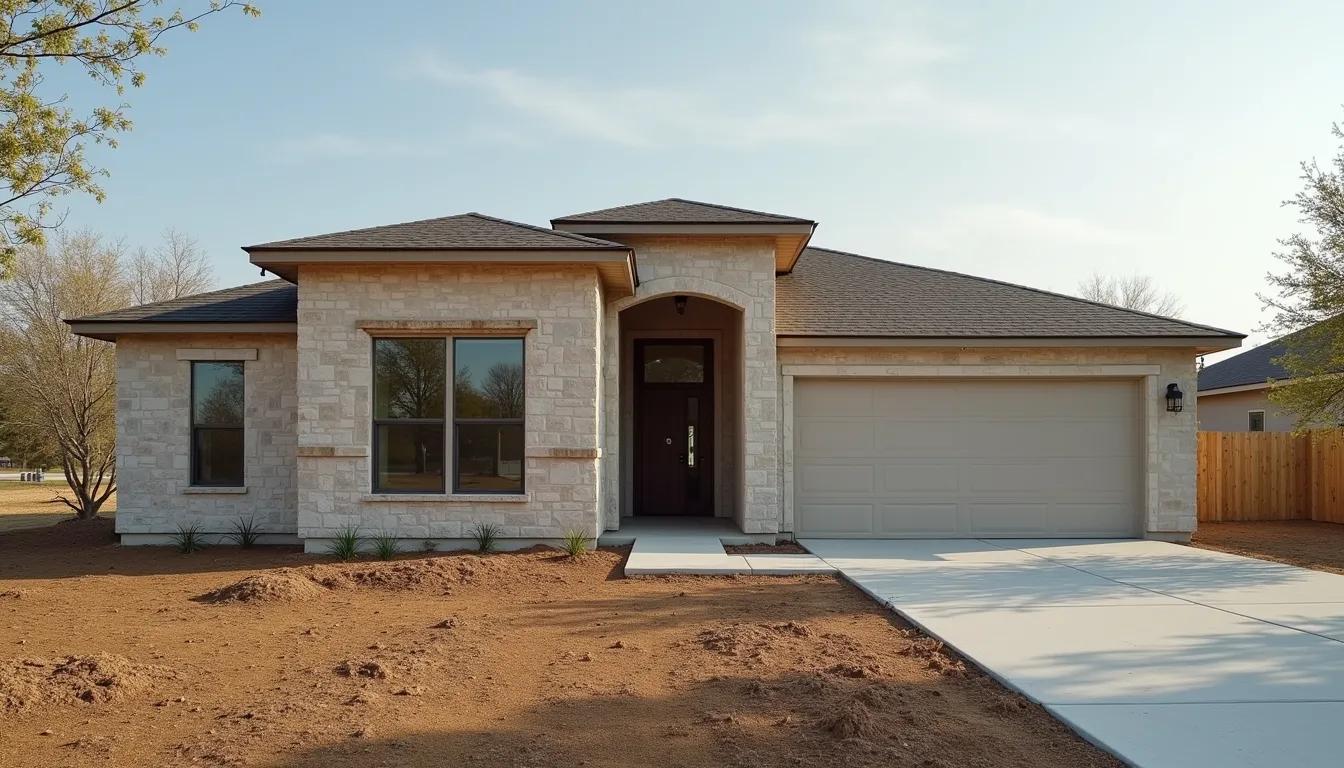
How to Manage and Reduce Custom Home Building Costs
Controlling expenses without sacrificing quality is possible with strategic decisions. Here are some practical tips:
Prioritize Your Needs
List your essential features and focus your budget on those. Avoid over-customizing areas that won’t significantly impact your daily life or resale value.
Choose a Reputable Builder
Experienced builders understand local regulations and have established supplier relationships. They can help you avoid costly mistakes and negotiate better prices.
Opt for Efficient Design
Simple floor plans with fewer corners and complex rooflines reduce labor and material costs. Open layouts can also maximize space without increasing square footage.
Use Cost-Effective Materials
Consider alternatives that offer durability and aesthetics without premium pricing. For example, engineered wood flooring can mimic hardwood at a lower cost.
Plan for Future Upgrades
If your budget is tight, design your home to allow easy upgrades later. This approach spreads out expenses and lets you enjoy your home sooner.
Compare Quotes and Monitor Progress
Compare bids from contractors and suppliers, and stay involved during construction to catch issues before they become expensive changes. Set aside a contingency fund for unexpected expenses. Choose durable materials with maintenance costs in mind, rather than judging options by their initial price alone.
Final Thoughts on Texas Custom Home Costs
Building a custom home in Texas is a significant investment that requires careful financial planning. By understanding the various cost factors and regional influences, you can make informed decisions that align with your vision and budget. Remember to consult professionals and stay flexible to adapt to changing market conditions.
For those interested in detailed pricing, exploring the cost to build a custom home in Texas can provide valuable insights tailored to your specific needs.
Taking the time to research and plan will help ensure your custom home project is a rewarding experience that results in a unique, high-quality residence designed just for you.